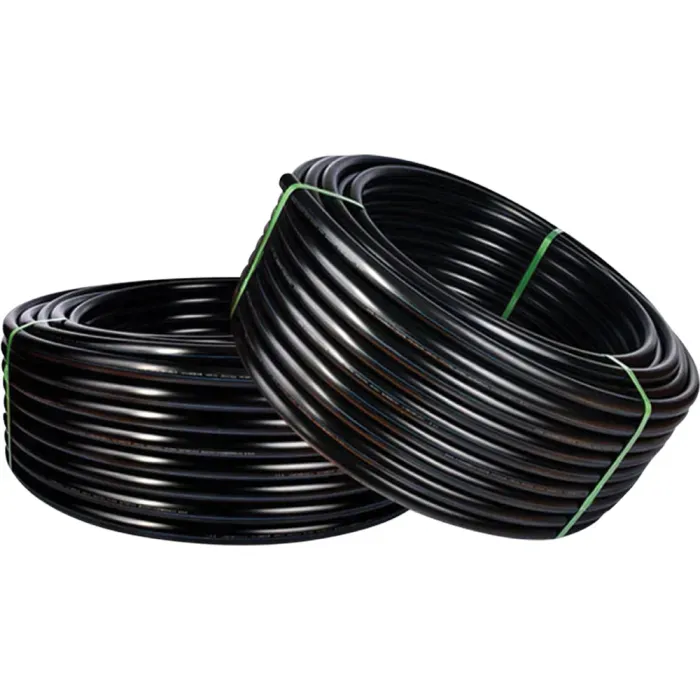
LDPE Pipe
SKU LDPE15C3
R 225.00
Size
Class
Please choose
In stock
1
Product Details
Brand: HDPE
MOQ: 6
LDPE Class 3 and Class 6 Pipes
Overview
LDPE (Low-Density Polyethylene) pipes are widely used for their flexibility, durability, and resistance to corrosion. They are suitable for a variety of applications where lightweight, reliable, and easy-to-install piping systems are required.
Key Features
Durability:
LDPE pipes are resistant to wear, abrasion, and impact, making them suitable for demanding environments.
Flexibility:
They are highly flexible and can be bent easily, reducing the need for extra fittings and joints.
Corrosion Resistance:
LDPE pipes are resistant to corrosion caused by chemicals, salts, and acids, ensuring long-term performance.
Secure Joints:
When joined using appropriate methods, LDPE pipes provide secure and reliable connections.
Lightweight:
They are easier to transport, handle, and install compared to traditional materials such as steel or concrete.
Applications
Water Supply:
Used in municipal, industrial, and rural water supply systems.
Irrigation:
Commonly used in agricultural irrigation systems.
Sewage and Drainage:
Suitable for drainage and wastewater applications due to their corrosion resistance.
Industrial Applications:
Used in industries where pipelines may be exposed to chemicals and demanding operating conditions.
Dimensions and Sizes
LDPE pipes are available in various diameters and lengths to meet different application requirements.
The wall thickness varies according to the pressure rating, such as Class 3 and Class 6, and the intended use.
Pressure Ratings
Class 3:
Suitable for applications requiring pressure up to 3 bar.
Class 6:
Suitable for applications requiring pressure up to 6 bar.
These pressure classes are commonly used in water supply and irrigation systems, depending on project needs and local standards.
Advantages
- Long service life under normal operating conditions
- Cost-effective due to low installation and maintenance costs
- Lightweight and easy to install
- Resistant to corrosion and chemical attack
- Recyclable and environmentally friendly
Installation
LDPE pipes are easy to install and suitable for above-ground and underground applications. Their flexibility helps reduce installation time and allows easier handling in different site conditions.
Customer reviews
Reviews only from verified customers
No reviews yet. You can buy this product and be the first to leave a review.
Save this product for later
You May Also Like
Display prices in:ZAR